
Categories
New Construction, Purchasing Real Estate, 2026 real estate forecast - Houston Metro AreaPublished September 30, 2026
Do You Need a Realtor for New Construction in Houston? What Buyers Should Know

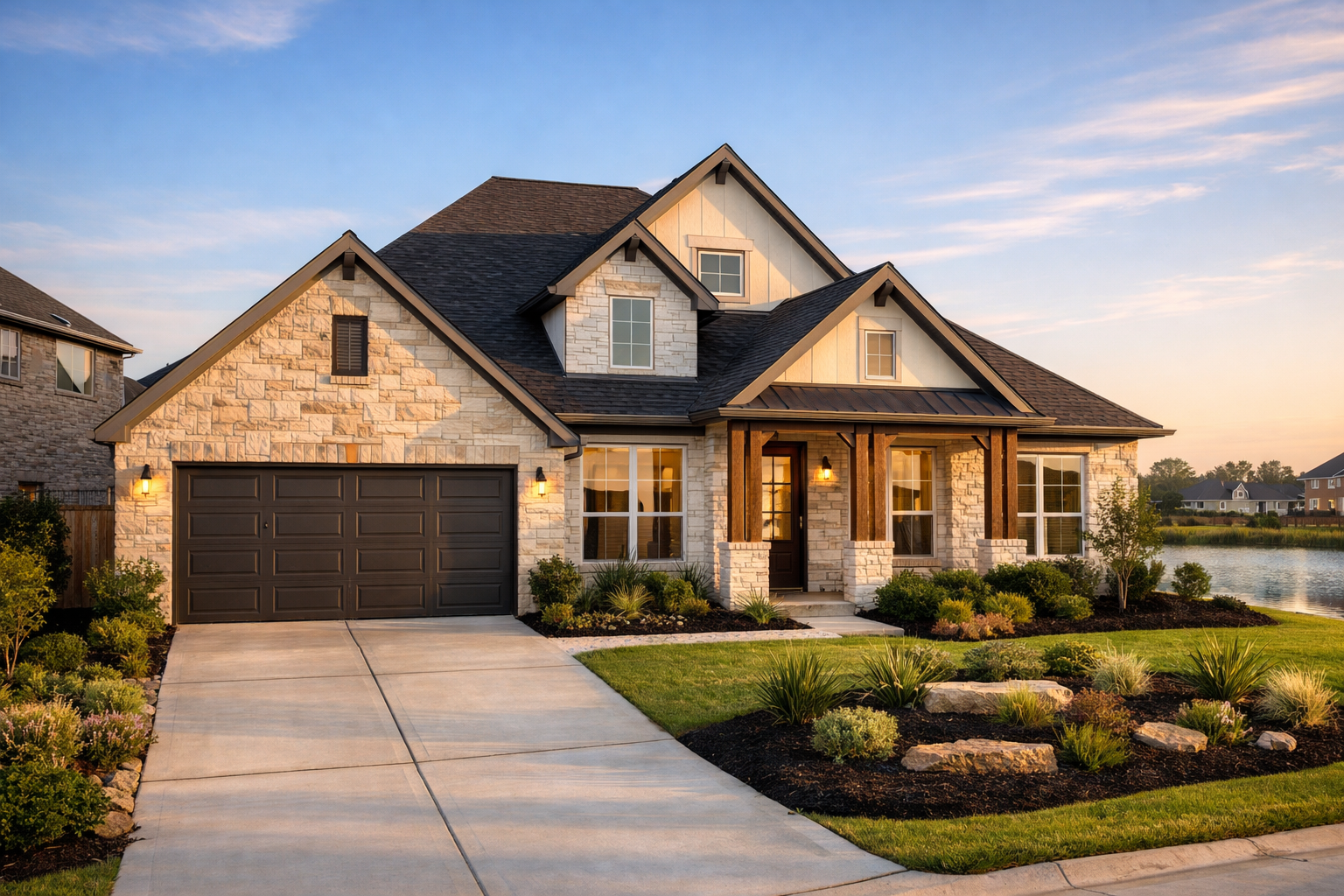
Buying a brand-new home can feel simpler than buying a resale property, but many Houston-area buyers are surprised by how many decisions, deadlines, and contract details come with new construction. From touring model homes in Katy and Cypress to comparing communities in Pearland, The Woodlands, and Sugar Land, buyers often wonder whether they really need their own real estate agent when the builder already has a sales team on site.
Builder Sales Reps vs. Buyer Representation
One of the biggest points of confusion in new construction is who represents whom. When you walk into a builder’s model home or sales office, the sales representative is there to help you learn about the community, floor plans, lot availability, design options, and builder process. They can be a valuable source of information about the homes they sell.
At the same time, the builder’s sales representative works for the builder. Their role is to support the builder’s sale and communicate the builder’s policies, pricing, timelines, and available incentives. That is different from having a buyer’s agent whose job is focused on your side of the transaction.
A buyer’s agent can help you compare multiple builders, evaluate neighborhoods, review how one community differs from another, and keep your priorities front and center. For buyers relocating to Greater Houston or moving between suburbs, that outside perspective can be especially useful when deciding between commute patterns, school-area preferences, lot sizes, tax rates, HOA structures, and future resale considerations.
Do You Need a Realtor for New Construction in Houston?
You can buy a new construction home without a Realtor, but many buyers choose to have one because new construction is not always as straightforward as it looks from the model home. The polished sales center experience is only one part of the process. After that can come contract review, structural and design choices, change-order questions, financing deadlines, construction updates, walkthroughs, punch-list items, and closing coordination.
For Houston-area buyers, this matters because the region offers a wide range of builder communities, from close-in infill developments to large master-planned neighborhoods in suburbs such as Richmond, Fulshear, Tomball, and League City. A buyer’s agent can help you compare not just the home itself, but also the tradeoffs between location, builder reputation, lot placement, amenities, and long-term fit.
In practical terms, a Realtor may be most helpful if you are buying your first home, relocating from another city, comparing several builders at once, or trying to understand whether a builder’s incentive package is truly competitive.
When to Bring an Agent
If you want buyer representation, it is usually best to bring your agent with you on your first visit to a builder community or make sure the builder knows your agent is representing you before you register directly with the sales office. Many builders have registration policies that affect whether an outside agent can be involved after the initial contact.
That does not mean you cannot browse communities on your own first, but it does mean timing matters. If you are serious about having representation, connect with your agent before signing in at model homes, submitting information online, or moving forward with a contract.
Early involvement can also help with strategy. Instead of falling in love with the first model you see, your agent can help you compare similar homes across multiple communities, ask better questions about lot premiums and upgrade costs, and identify whether a quick move-in home or a to-be-built option better matches your timeline.
How Agent Compensation Typically Works
In many new construction transactions, the builder may offer compensation to a buyer’s agent, but the structure and availability can vary by builder, community, and transaction. Policies can change, and compensation is not automatic in every situation.
That is why buyers should ask how representation is handled before moving forward. Your agent can also clarify their own compensation agreement with you so expectations are clear from the beginning. The key point is that compensation arrangements should be discussed directly and confirmed in writing where appropriate rather than assumed.
Because practices differ, buyers should avoid assuming that going without representation automatically lowers the price or that every builder will handle agent compensation the same way.
Negotiation and Incentives in New Construction
Some buyers assume new construction pricing is fixed, but negotiation can still play a role. In many cases, builders may be more flexible on incentives than on base price, especially if they want to protect pricing within the community. Depending on the builder and the home, that could mean conversations around closing cost assistance, design-center credits, appliance packages, lot premiums, or other upgrades.
A buyer’s agent can help you look beyond the headline incentive and ask whether the overall deal is actually competitive. For example, a generous upgrade package may sound appealing, but it is still worth comparing the base price, included features, estimated completion timeline, and total out-of-pocket costs against other options nearby.
In the Houston area, where buyers may be comparing communities across multiple suburbs with different commute patterns and tax considerations, the best value is not always the one with the flashiest incentive. A strong comparison process can help you focus on total fit rather than marketing alone.
Inspections and Contracts Matter More Than Many Buyers Expect
Because the home is brand new, some buyers assume inspections are unnecessary. In reality, inspections can still be an important part of the process. New homes can have incomplete items, workmanship issues, or components that deserve a closer look before closing and, in some cases, during construction milestones if the builder allows it.
Builder contracts also differ from standard resale contracts. They are often builder-drafted forms with timelines, warranty language, construction-delay provisions, and change policies that buyers should understand before signing. A real estate agent can help you identify practical questions to raise and keep track of deadlines, while an attorney can advise on legal questions if needed.
Brief note: Real estate agents are not attorneys or lenders, so buyers should rely on qualified legal and lending professionals for legal or financing advice specific to their situation.
Practical Checklist for Houston-Area New Construction Buyers
- Decide whether you want representation before visiting builder communities or registering online.
- Compare more than one builder and neighborhood instead of choosing based on one model-home visit.
- Ask what is included in the base price and what counts as an upgrade, premium, or optional feature.
- Review lot location carefully, including nearby roads, drainage areas, utility placements, and future development around the homesite.
- Understand builder timelines for deposits, financing milestones, design selections, walkthroughs, and closing.
- Ask how incentives work and whether they depend on using a preferred lender or title company.
- Discuss agent compensation early so there are no surprises about representation.
- Plan for inspections and final walkthrough details before closing.
- Keep records of selections and change orders so your expectations match the final build.
- Think beyond the model home and evaluate commute, lifestyle, taxes, HOA structure, and resale appeal.
FAQ: New Construction and Realtors in Houston
1. Do I have to use a Realtor to buy a new construction home in Houston?
No. You can usually buy directly from the builder, but many buyers choose to have their own representation for guidance, comparison, and negotiation support.
2. Can I bring an agent after I already visited the builder?
Sometimes, but not always. Many builders have registration rules, so it is best to involve your agent before your first visit or before registering with the sales office.
3. Does using a Realtor cost more when buying new construction?
Not necessarily, but compensation arrangements vary by builder and agreement. Buyers should discuss this early with both the builder and their agent rather than making assumptions.
4. Can a Realtor negotiate with a builder?
Yes, a buyer’s agent can often help negotiate pricing, upgrades, incentives, or other terms, although what is negotiable depends on the builder, the home, and market conditions.
5. Should I still get an inspection on a brand-new home?
Many buyers do. A new home can still have issues, and an inspection can help identify items to address before closing or during the warranty period.
Final Thoughts
For many Houston-area buyers, the question is not whether a Realtor is required for new construction, but whether having dedicated representation would make the process clearer and more strategic. If you are comparing builders in Houston and the surrounding suburbs, having your own advocate can help you evaluate communities, understand the fine print, and move through the build process with more confidence.
The right approach depends on your experience level, the builder’s process, and how much support you want from first tour to final walkthrough. Either way, going in informed can help you make a smarter decision on one of the biggest purchases you will make.
Get a free home valuation here
Visit our website here
Go to our YouTube Channel Here
Call or Contact us:
832-905-9501
mflores@vantagerec.com
Vantage Real Estate Group Powered by PLACE

Michael Flores
Owner/Lead Agent | Vantage Real Estate Group | Keller Williams Signature Realty
or another way