
Categories
Home Buying Process, Home Buying Strategies, houston real estate, New ConstructionPublished October 6, 2026
New Construction Home Inspections in Texas: Yes, You Still Need Them

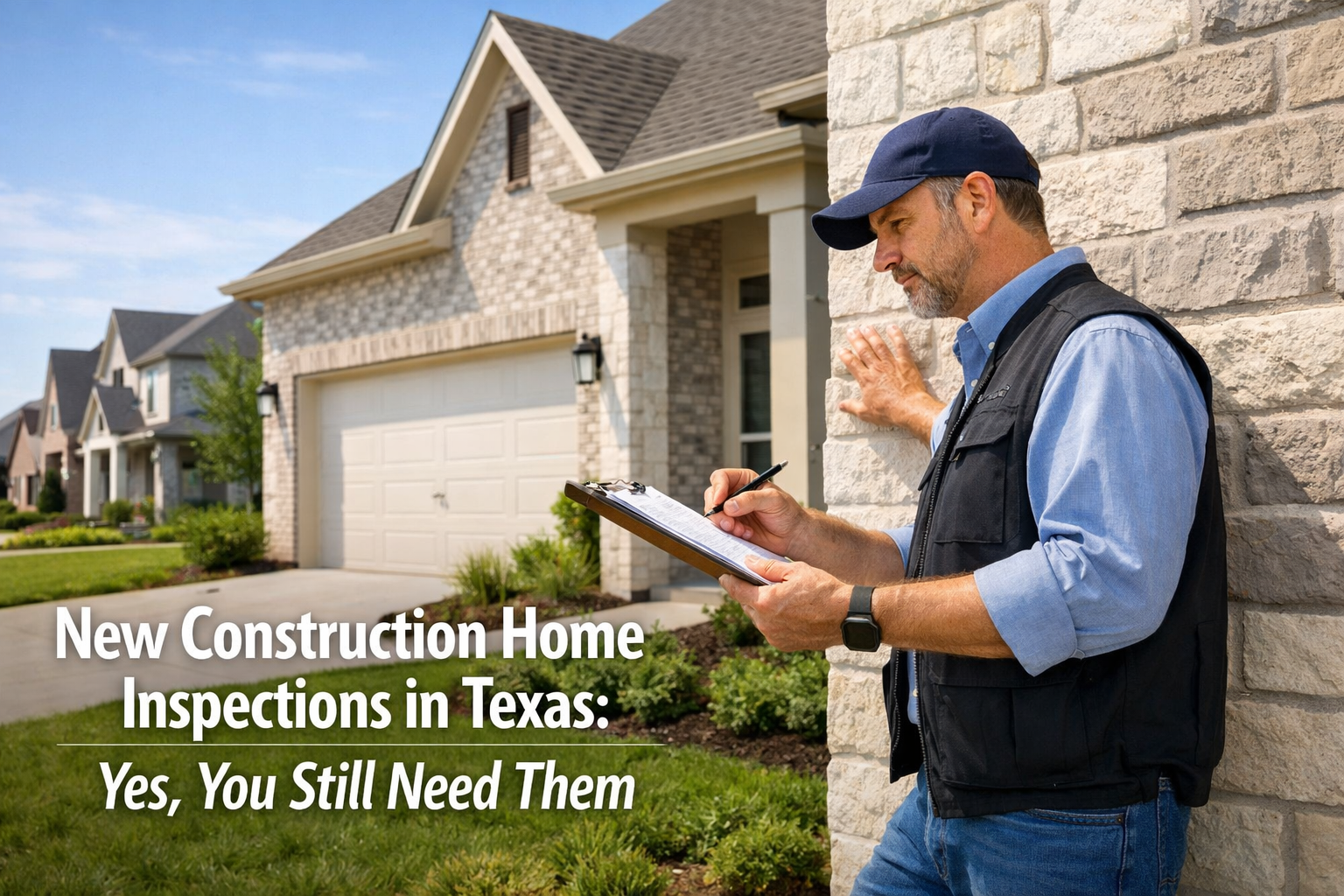
Buying a brand-new home in Texas can feel like a chance to skip the usual worries that come with an older property. Fresh materials, modern systems, and a builder warranty often give buyers confidence that everything should already be in top shape. For many Houston-area buyers looking at communities in Houston and surrounding suburbs such as Katy, Cypress, Sugar Land, Pearland, The Woodlands, and League City, that confidence is understandable—but it should not replace an independent inspection.
Why You Still Need an Inspection on New Construction in Texas
If you are asking, do you need inspection on new construction home Texas, the practical answer is yes because new does not always mean flawless. A newly built home may have never been lived in, but it has still gone through a fast-moving construction process involving multiple crews, subcontractors, materials, schedules, and inspections.
Even well-regarded builders can deliver homes with issues such as:
- Incomplete or rushed finish work
- Improperly installed roofing, flashing, or siding details
- HVAC performance or airflow problems
- Electrical outlet, switch, or panel concerns
- Plumbing leaks, drainage issues, or missing insulation around pipes
- Doors and windows that do not open, close, or seal properly
- Grading or drainage concerns around the lot
- Attic ventilation or insulation deficiencies
In large new construction communities around Houston, homes may be built on tight timelines and in varying weather conditions. That does not automatically mean there are serious defects, but it does mean buyers benefit from having an independent professional review the property before they take ownership.
Do I Need an Inspection on a Brand-New Home?
Yes. A brand-new home should still be inspected because municipal or code inspections and builder quality-control processes are not the same as hiring your own inspector. Your inspector works for you, not for the builder, city, or county.
An independent inspection can help you:
- Spot visible defects or incomplete items before closing
- Create a documented repair list for the builder
- Understand maintenance needs and system locations
- Identify issues that may be easier to address before move-in
- Prepare for warranty follow-up if problems appear after closing
For buyers relocating within Houston or moving to nearby suburbs, this extra layer of due diligence can provide clarity during a process that already involves financing, timelines, and builder communication.
Builder Walkthrough vs. Independent Inspection
Many builders provide a walkthrough before closing. That walkthrough is useful, but it is not a substitute for an independent home inspection.
What a builder walkthrough is for
A builder walkthrough usually helps buyers:
- Learn how systems and features operate
- Note cosmetic touch-ups or incomplete punch-list items
- Review appliance, warranty, and maintenance information
- Confirm the home is generally ready for closing
What an independent inspection adds
An independent inspector is focused on evaluating the home's visible condition and reporting concerns from a buyer's perspective. That often includes a more objective review of structural components, roofing, electrical systems, plumbing, HVAC, insulation, drainage, and installation quality.
In short, the builder walkthrough is part orientation and part punch-list review. The independent inspection is part risk management and part documentation.
Recommended Inspection Milestones for New Construction Homes
Not every buyer will have access to every inspection stage, but these are the most commonly recommended milestones for new construction in Texas.
1. Pre-drywall inspection
This inspection happens after framing, rough plumbing, rough electrical, and major mechanical components are in place, but before insulation and drywall cover them.
Why it matters:
- Framing and structural details are more visible
- Plumbing, wiring, and ductwork can be reviewed before walls are closed
- Potential installation concerns may be easier to correct at this stage
Not every builder allows this automatically, so buyers should confirm access rights and scheduling procedures early.
2. Final inspection before closing
This is the inspection most buyers recognize. It typically occurs when the home is substantially complete and close to closing.
Why it matters:
- It identifies visible defects, incomplete work, and functional concerns
- It gives buyers a written report to discuss with the builder
- It helps buyers avoid discovering obvious issues only after move-in
3. Warranty inspection, where applicable
Many new homes include a builder warranty period for certain items. Buyers often schedule an inspection before the initial warranty period expires, commonly around the 10- or 11-month mark when applicable.
Why it matters:
- Some issues do not become obvious until the home has been occupied
- Seasonal HVAC, drainage, or settlement-related concerns may appear later
- It gives buyers time to submit warranty repair requests before deadlines
Warranty terms vary, so buyers should verify timing, coverage, and notice requirements in their contract and warranty documents.
What Inspectors Commonly Review in a New Construction Home
While the exact scope depends on the inspector and stage of construction, buyers can generally expect review of visible and accessible components such as:
- Roof: shingles, flashing, penetrations, drainage paths, and visible installation concerns
- Exterior: siding, brick veneer, trim, caulking, grading, drainage, and exterior penetrations
- Foundation and structure: visible framing, slab-related observations, and signs of movement or improper installation where observable
- Attic: insulation levels, ventilation, framing visibility, and duct routing where accessible
- HVAC: cooling and heating operation, airflow, thermostat response, and visible duct issues
- Electrical: outlets, switches, fixtures, GFCI/AFCI protection where applicable, panel labeling, and visible wiring concerns
- Plumbing: fixtures, drains, water heater installation, visible leaks, and water flow observations
- Interior: doors, windows, flooring, cabinets, countertops, stairs, railings, and general finish quality
- Safety items: smoke and carbon monoxide alarms where applicable, handrails, guardrails, and other visible safety-related components
Inspectors do not usually perform destructive testing, and they may be limited by access, weather, utility status, or unfinished construction conditions. Even so, a thorough inspection can reveal issues worth addressing before closing.
How to Handle Inspection Findings with the Builder
If your inspector identifies concerns, the goal is usually not to create conflict. It is to create a clear, documented path for correction.
Best practices include:
- Review the report carefully. Separate major concerns from routine punch-list items.
- Send findings in writing. Provide the builder or sales representative with the report or a concise repair request list.
- Focus on documented conditions. Keep communication factual and tied to the inspection findings.
- Ask for timelines. Clarify what will be repaired before closing and what, if anything, will be handled afterward.
- Reinspect if needed. For significant items, consider a follow-up inspection or verification before closing.
Builders may address some items quickly and push back on others. That is one reason timing matters: the earlier issues are identified, the more options buyers usually have for follow-up before closing.
Timing and Contract Considerations
New construction contracts often differ from resale contracts. Buyers should not assume they have the same inspection rights, timelines, or repair negotiation leverage they might expect in a traditional resale transaction.
Important points to confirm early include:
- Whether the builder allows third-party inspections at pre-drywall and final stages
- How much notice is required to schedule inspections
- Whether the home must be at a certain completion stage before inspection
- How repair requests should be submitted
- Whether closing can be delayed for unresolved issues
- What warranty deadlines and claim procedures apply after closing
Important note: Inspection rights, deadlines, and warranty terms should be confirmed in the buyer's contract and with qualified professionals, including the buyer's real estate representative, inspector, and legal or contract advisors when appropriate.
Who Pays for a New Construction Home Inspection?
In most cases, the buyer pays for an independent home inspection on new construction. The cost is typically part of the buyer's due diligence expenses, similar to other pre-closing services.
Some buyers choose to pay for:
- A pre-drywall inspection
- A final inspection before closing
- A separate warranty inspection before the initial warranty period ends
Whether one inspection or multiple inspections make sense depends on the home, the builder's process, the buyer's budget, and what the contract allows.
Common Buyer Mistakes with New Construction Inspections
Buyers sometimes assume a new home does not need the same level of scrutiny as a resale home. That can lead to avoidable mistakes such as:
- Skipping the inspection entirely because the home is brand-new
- Relying only on the builder walkthrough
- Waiting too long to schedule the inspection
- Not confirming whether pre-drywall access is allowed
- Failing to document repair requests in writing
- Closing before understanding which items will be repaired and when
- Missing warranty deadlines for post-closing concerns
For Houston-area buyers juggling construction updates, lender deadlines, and moving plans, inspection scheduling can easily become an afterthought. It should be treated as a core part of the purchase process instead.
Practical Inspection Checklist for Texas New Construction Buyers
Use this checklist to stay organized:
- Confirm inspection rights and timing in the builder contract
- Ask whether pre-drywall inspections are permitted
- Schedule the final inspection before closing with enough time for builder response
- Verify utilities will be on for the inspection if required
- Attend the inspection when possible
- Review the report promptly and prioritize key findings
- Submit repair requests to the builder in writing
- Keep copies of emails, reports, and builder responses
- Confirm completed repairs before closing when possible
- Track warranty deadlines for future follow-up
- Consider a warranty inspection before the applicable coverage period expires
FAQ: New Construction Home Inspections in Texas
1. Do you need an inspection on a new construction home in Texas?
Yes. A new construction home in Texas should still be inspected because new homes can have defects, incomplete work, or installation issues that are easier to address before closing.
2. Is the builder's walkthrough enough?
No. A builder walkthrough is helpful, but it is not the same as an independent inspection performed by a professional working for the buyer.
3. When should I inspect a new construction home?
Common milestones include pre-drywall, final inspection before closing, and a warranty inspection before the applicable warranty deadline.
4. Who pays for the inspection?
Usually the buyer pays for an independent inspection, although the exact arrangement depends on the transaction and any negotiated terms.
5. What if the inspector finds problems?
Buyers should document the findings, send them to the builder in writing, and confirm what will be repaired before closing or handled under warranty if applicable.
6. Can I skip the inspection because the home has a warranty?
That is generally not a good idea. A warranty may help with some issues, but identifying concerns before closing can be simpler and may reduce future disputes or delays.
Final Takeaway
If you are buying a brand-new home in Houston or a surrounding suburb, an independent inspection is still one of the smartest steps you can take. New construction homes can look polished on the surface while still having defects, incomplete items, or workmanship concerns behind the scenes. A pre-drywall inspection, final inspection before closing, and warranty inspection where applicable can help you protect your investment, communicate more effectively with the builder, and move in with greater confidence.
Get a free home valuation here
Visit our website here
Go to our YouTube Channel Here
Call or Contact us:
832-905-9501
mflores@vantagerec.com
Vantage Real Estate Group Powered by PLACE

Michael Flores
Owner/Lead Agent | Vantage Real Estate Group | Keller Williams Signature Realty
or another way