
Categories
Seller TipsPublished June 23, 2026
The Paperwork Timeline Every Seller Should Understand Before Closing

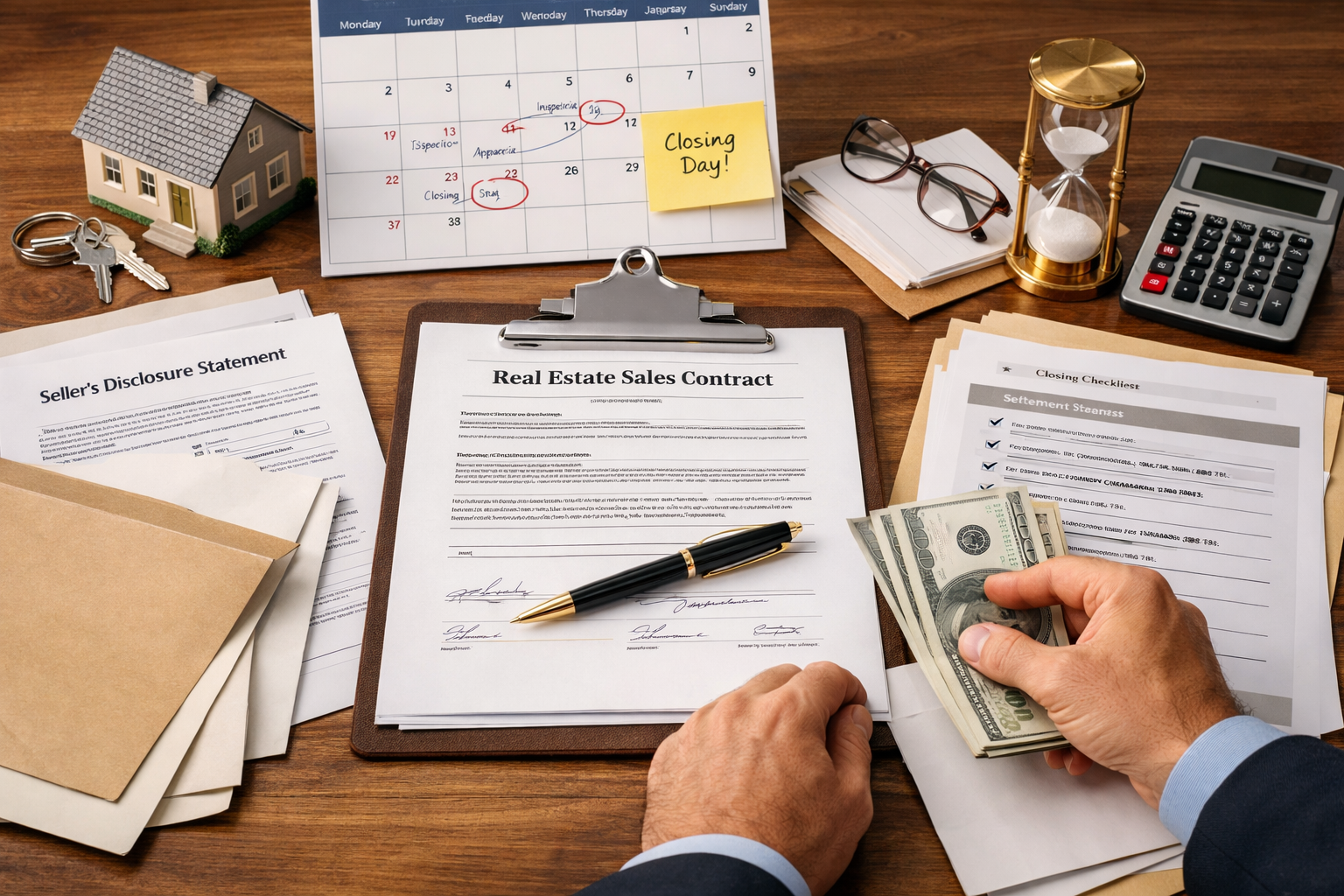
Selling a home is not just about marketing, showings, and accepting an offer. Once you are under contract, there is a paperwork timeline that affects how smoothly your deal gets to the closing table. Sellers do not need to memorize every document, but understanding the process can make the experience far less stressful.
Why seller paperwork matters
Every signed document, disclosure, amendment, and deadline serves a purpose. Some forms protect you legally. Some confirm what was negotiated. Others help title, lending, and closing partners do their jobs correctly. When paperwork is delayed or incomplete, it can create confusion, slow the process, or even put the transaction at risk.
The first wave of documents
Once a seller accepts an offer, the contract and related documents need to be fully executed. That means signatures, dates, addenda, disclosures, and any negotiated terms should be confirmed and complete. This is also when title is typically opened and the next stage of the file begins.
At this point, your team may also help gather any missing seller disclosures, HOA information, utility details, or property-related documents needed later in the process.
What can happen during the middle of the transaction
As the deal moves forward, it is common for paperwork to continue changing. Inspection responses, repair amendments, timeline extensions, financing updates, or other negotiated adjustments may need to be documented in writing.
This is one reason transaction management matters so much. The paperwork is not just a stack of forms. It is the written record of what both sides agreed to and when they agreed to it.
Why title and closing documents matter
As the closing date gets closer, the title company begins preparing the final pieces needed to transfer ownership. Sellers may need to review settlement documents, verify payoff information, confirm vesting details, or provide additional signatures depending on the specifics of the transaction.
If anything does not match or if information is missing, that can slow things down. A well-managed file helps catch issues early instead of at the last minute.
What sellers can do to help the process
- Respond quickly to requests for signatures or documents
- Ask questions if anything is unclear
- Keep track of major dates, especially inspection and closing deadlines
- Let your team know about travel plans or scheduling issues early
- Trust the process, but stay engaged
You do not need to manage the file yourself, but staying responsive makes a big difference.
Final takeaway
The paperwork side of selling a home is not glamorous, but it is essential. A clear process, organized communication, and strong transaction support can help you move from accepted offer to closing with fewer delays and fewer surprises.
The more you understand the seller paperwork timeline, the more confident you will feel during the entire transaction.
Vantage Real Estate Group, Powered by PLACE
Serving Katy, Cypress, Fulshear, Richmond & the greater Houston area
832-905-9501

Michael Flores
Owner/Lead Agent | Vantage Real Estate Group | Keller Williams Signature Realty
or another way