
Categories
2026 real estate forecast - Houston Metro Area, Home Buying Process, Home Buying Strategies, Home equity, houston real estate, Housing Market, Home Tips, House Value, Investment, Luxury, Purchasing Real EstatePublished September 12, 2026
What Does $1 Million Buy You in Houston?

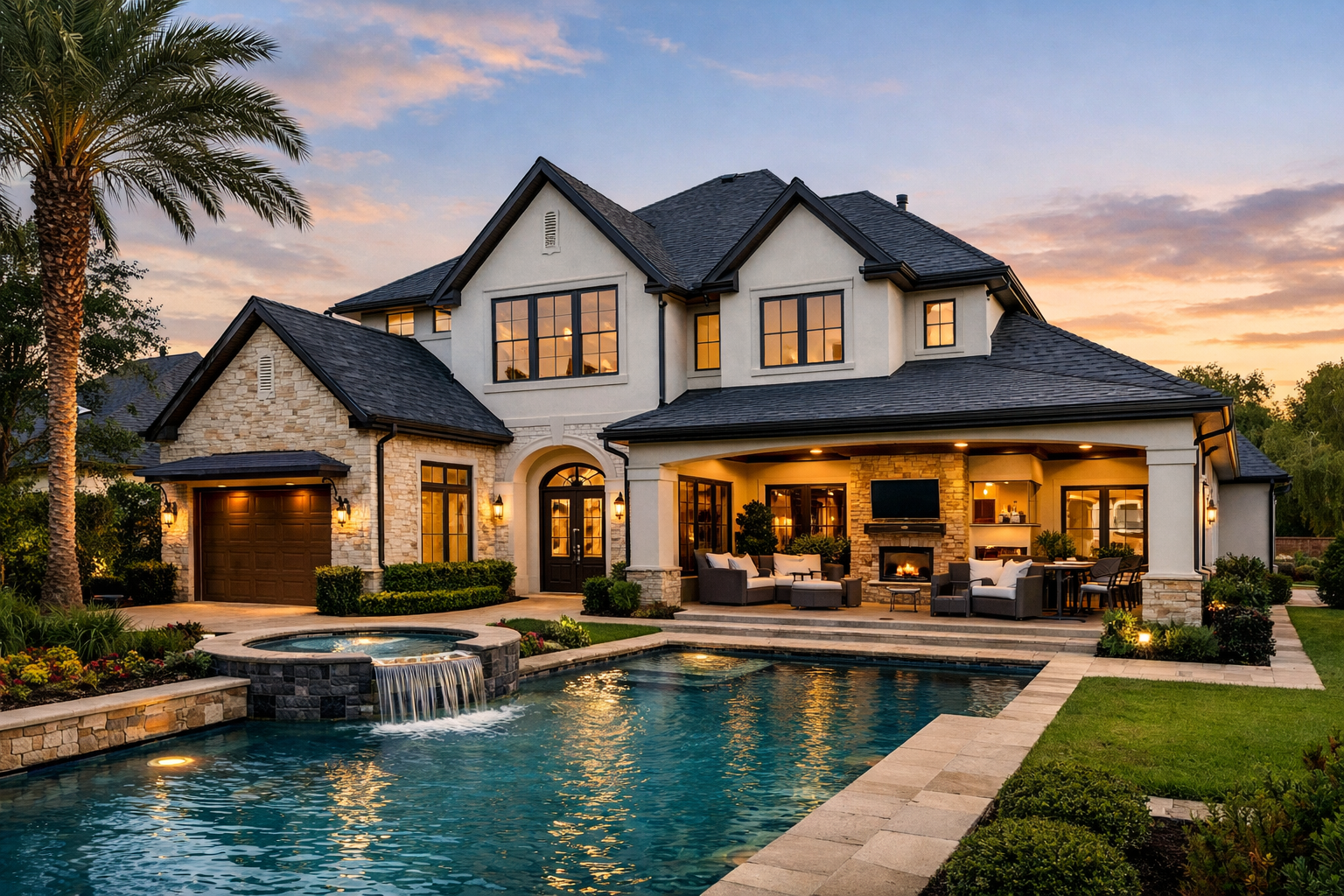
Direct answer: In Houston, a $1 million home can range from a refined townhome in a close-in luxury neighborhood to a larger single-family home on more land in suburban communities. What that budget buys depends heavily on neighborhood, lot size, age, condition, architecture, amenities, property taxes, HOA/MUD/PID fees, flood and drainage considerations, and current market conditions.
For buyers exploring Houston luxury real estate, the most important thing to understand is that $1 million is a meaningful budget, but it does not translate into one standard home type across the region. In one area, that price point may buy location, walkability, and architectural character. In another, it may buy newer construction, more square footage, a larger lot, or community amenities. Inventory and pricing change over time, so the right comparison is not simply price alone, but overall value relative to your goals.
Why $1 Million Means Different Things Across Houston
Houston is a large, diverse housing market with distinct neighborhoods, building styles, and ownership costs. Buyers considering approximately $1 million homes in Houston should expect meaningful variation based on several factors.
Neighborhood and location
Location often drives the biggest differences in what $1 million can buy. Close-in neighborhoods with strong demand, established prestige, or limited inventory may offer less square footage or smaller lots at this price point than outer-ring or suburban communities. Commute patterns, lifestyle preferences, and proximity to employment centers, parks, dining, and shopping all influence value.
Lot size and land value
In some Houston neighborhoods, a significant portion of the purchase price reflects land value rather than the house itself. Buyers comparing homes should look carefully at lot dimensions, usable outdoor space, privacy, and redevelopment potential where relevant.
Age, condition, and architecture
A $1 million budget may buy a recently built home with modern finishes in one area, while in another it may buy an older property with architectural charm but more deferred maintenance. Construction quality, renovation history, floor plan functionality, and design style all affect how far the budget goes.
Amenities and community structure
Some homes at this price point include gated access, pools, elevators, guest quarters, outdoor kitchens, or smart-home features. Others may trade those amenities for location or lot size. Community-level costs and benefits also matter, including HOA rules, neighborhood amenities, and whether the property is subject to MUD or PID assessments.
Taxes, fees, and carrying costs
Two homes with similar list prices can have very different monthly ownership costs. Property taxes, insurance, HOA dues, utility demands, and maintenance expectations should all be part of the comparison. In Houston, these costs can materially affect affordability and long-term satisfaction.
Flood, drainage, and market conditions
Floodplain status, drainage patterns, prior water intrusion, elevation, and storm resilience are especially important in the Houston market. Market conditions also shift over time. Depending on inventory levels, buyer competition, and seller expectations, $1 million may buy more negotiating leverage in one segment and less in another.
Examples of What Buyers Commonly Compare at the $1 Million Price Point
Buyers often compare several Houston luxury neighborhoods and nearby communities when deciding how to allocate a roughly $1 million budget. These are examples of common comparison points, not definitive rankings or guarantees of what will be available at any given time.
River Oaks
River Oaks is often associated with prestige, central location, and luxury housing. Around the $1 million range, buyers may be comparing smaller homes, townhomes, condominiums, or properties with a stronger emphasis on location than lot size. Availability can vary significantly.
Memorial
Memorial is a broad area, and what $1 million buys can differ substantially depending on the specific section. Buyers may compare established homes on generous lots, updated traditional properties, or newer construction in select pockets. Condition, lot value, and renovation scope often matter here.
West University
West University is frequently sought after for its close-in location and neighborhood feel. At approximately $1 million, buyers may find that location and land constraints shape the options more than raw square footage. Homes can vary widely in age, updates, and lot utility.
Tanglewood
Tanglewood often enters the conversation for buyers seeking a luxury address with established character. At this budget, buyers may be evaluating townhomes, smaller single-family options, or homes where lot and location carry substantial value.
The Heights
The Heights appeals to buyers who value character, access to restaurants and retail, and an urban neighborhood atmosphere. Around $1 million, comparisons may include renovated historic homes, newer construction, and homes where walkability and style compete with lot size and parking considerations.
Bellaire
Bellaire is commonly compared by buyers who want a close-in location with a mix of established homes and newer builds. At this price point, buyers may weigh lot size, construction era, and proximity to major Houston destinations against the cost of newer finishes or expanded square footage.
The Woodlands
The Woodlands often attracts buyers looking for master-planned amenities, newer housing stock in some sections, and a different suburban lifestyle than central Houston. Around $1 million, buyers may compare larger homes, community amenities, and lot configurations against commute preferences and carrying costs.
Fulshear
Fulshear is often part of the conversation for buyers prioritizing newer construction, more land, or a more suburban setting. At roughly $1 million, some buyers may find opportunities for larger homes or expanded outdoor space, though tradeoffs can include distance from central Houston and evolving infrastructure.
Houston proper
Within Houston proper, the range of possibilities is broad. Buyers may compare inner-loop neighborhoods, townhome-heavy areas, established subdivisions, and transitional pockets where architecture, lot size, and redevelopment activity all influence value. The key is to compare homes based on lifestyle fit, not just headline square footage.
What to Inspect in a $1M Houston Home
At the luxury price point, buyers should evaluate both visible finishes and less obvious systems that affect risk, maintenance, and resale appeal.
Roof, windows, and exterior envelope
Houston heat, humidity, and storms can be hard on roofing materials, seals, stucco, siding, and windows. Buyers should understand the age and condition of these components, whether repairs were cosmetic or structural, and how well the home manages moisture.
Foundation and drainage
Foundation performance is a major consideration in Houston. Review signs of movement, prior repairs, grading, drainage improvements, and how water is directed away from the structure. A beautiful renovation does not eliminate the need to understand the underlying structure.
HVAC and mechanical systems
Larger homes or homes with extensive glass, high ceilings, or additions may place heavier demands on HVAC systems. Buyers should inspect system age, zoning, ductwork, maintenance history, and overall efficiency. Water heaters, plumbing lines, electrical panels, and backup power options also deserve attention.
Flood and water intrusion history
Ask direct questions about prior flooding, drainage issues, and any history of water intrusion. Review available disclosures, insurance considerations, and whether improvements were made after major weather events. Floodplain maps are useful, but they are only one part of the risk picture.
Renovation quality and permits
Luxury finishes can photograph well while masking inconsistent workmanship. Buyers should look beyond countertops and fixtures to evaluate cabinetry installation, flooring transitions, waterproofing, window replacement quality, and whether major work appears to have been completed professionally and, where applicable, with proper permits.
Hidden Ownership Costs Buyers Should Budget For
Many buyers focus on purchase price and mortgage payment, but the true cost of owning a $1 million Houston home can be meaningfully higher once recurring expenses are included.
- Property taxes: Tax burdens can vary significantly by location and taxing entities.
- Insurance: Premiums may be influenced by age, roof condition, claims history, and flood exposure.
- HOA dues: Some communities include substantial dues tied to amenities or maintenance standards.
- MUD or PID assessments: In certain areas, these can affect monthly carrying costs.
- Maintenance reserves: Pools, landscaping, elevators, generators, and specialty finishes can increase upkeep.
- Utilities: Larger homes, older windows, and extensive outdoor features can raise operating costs.
When comparing approximately $1 million homes in Houston, buyers should evaluate total monthly ownership cost rather than list price alone.
New Construction vs. Established Homes at the $1 Million Level
Why some buyers prefer new construction
New construction can offer modern layouts, current finishes, energy-efficient features, and lower near-term maintenance. Buyers may also appreciate open-concept living, taller ceilings, larger kitchen islands, and integrated technology. However, lot size, mature landscaping, and neighborhood character may be more limited depending on location.
Why some buyers prefer established homes
Established homes may offer larger lots, mature trees, architectural detail, and locations that are difficult to replicate with new construction. In some neighborhoods, buyers are effectively choosing between a newer home farther out and an older home in a more central setting. The right answer depends on priorities, renovation tolerance, and long-term plans.
The key comparison
Rather than asking whether new construction is always better, buyers should compare build quality, floor plan efficiency, lot utility, maintenance exposure, and neighborhood fit. A newer home is not automatically the better value if the location or lot does not support the buyer's goals.
How to Compare Homes Around $1 Million in Houston
The most effective way to compare Houston luxury homes is to use a structured framework.
- Define the non-negotiables. Decide whether location, lot size, school commute, architecture, privacy, or turnkey condition matters most.
- Compare total ownership cost. Include taxes, insurance, HOA dues, MUD or PID fees, and expected maintenance.
- Evaluate usable space. Focus on layout, storage, ceiling height, natural light, and outdoor functionality rather than square footage alone.
- Assess risk factors. Review flood exposure, drainage, foundation history, and age of major systems.
- Separate cosmetic appeal from long-term value. Fresh finishes matter, but location, lot, and structural condition often matter more.
For many buyers, the best $1 million home in Houston is not the largest or newest one. It is the property that aligns most closely with lifestyle, risk tolerance, and long-term ownership goals.
Frequently Asked Questions About $1 Million Homes in Houston
What does $1 million buy in Houston right now?
It can buy very different types of homes depending on neighborhood, lot size, age, condition, amenities, taxes, fees, and current market conditions. In some areas, that budget emphasizes location; in others, it may buy more space or newer construction.
Is $1 million considered luxury in Houston?
It is often part of the luxury conversation, but the definition of luxury varies by neighborhood and property type. In some Houston areas, $1 million may buy an entry point into a luxury location rather than a large estate-style home.
Should I buy new construction or an older home for around $1 million?
That depends on your priorities. New construction may offer modern finishes and lower near-term maintenance, while established homes may offer better lots, mature surroundings, and more central locations.
What extra costs should I expect beyond the purchase price?
Buyers should budget for property taxes, insurance, HOA dues, possible MUD or PID assessments, utilities, and ongoing maintenance. These costs can vary significantly from one Houston area to another.
Why do two $1 million Houston homes feel so different in value?
Because price reflects more than square footage. Location, land value, architecture, condition, flood and drainage considerations, and monthly carrying costs all influence the overall value proposition.
Final Takeaway
If you are shopping for a $1 million home in Houston, the smartest approach is to compare neighborhoods and properties through the lens of lifestyle, ownership cost, and long-term fit. Inventory and pricing change, and this budget can buy dramatically different homes depending on where you look. A disciplined comparison process helps buyers identify whether they are paying for location, land, design, amenities, or convenience—and whether that tradeoff matches their goals in the Houston luxury real estate market.
Watch our Youtube Video
Get a free home valuation here
Visit our website here
Go to our YouTube Channel Here
Call or Contact us:
832-905-9501
mflores@vantagerec.com
Vantage Real Estate Group Powered by PLACE

Michael Flores
Owner/Lead Agent | Vantage Real Estate Group | Keller Williams Signature Realty
or another way