
Categories
2026 real estate forecast - Houston Metro Area, House Value, houston real estate, LuxuryPublished October 8, 2026
What Makes a Houston Home Truly Luxury? Features That Hold Value vs. Features That Don’t

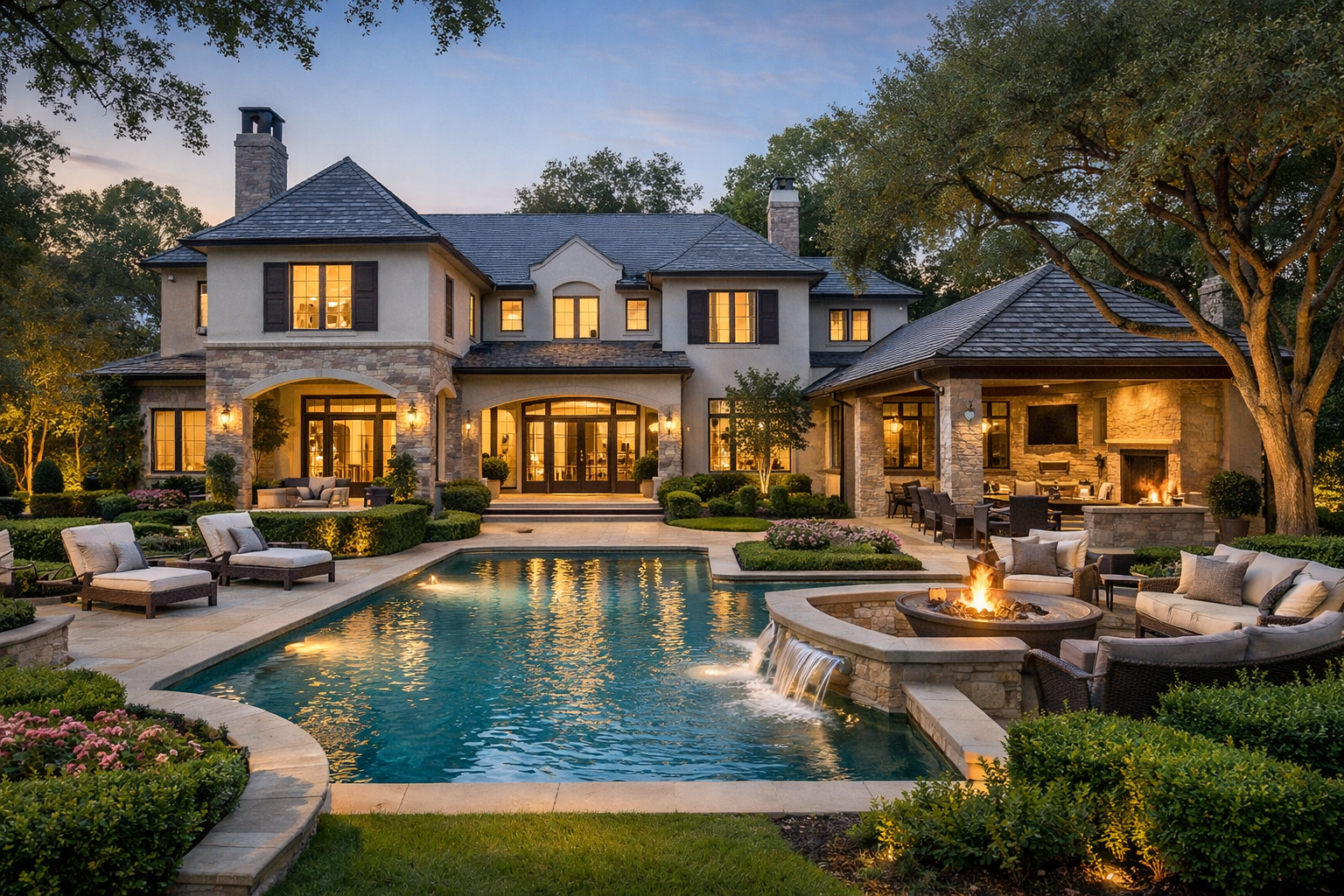
In Houston-area real estate, the word luxury gets used often, but true luxury is about more than a high asking price or a long list of amenities. For buyers, the real question is whether a home delivers lasting quality, comfort, privacy, functionality, and location advantages that continue to matter over time. For sellers, the goal is to understand which features support broad appeal and which upgrades are highly personal, trend-driven, or unlikely to return their full cost.
Luxury Price Point vs. Luxury Quality
A luxury price point and a luxury home are not always the same thing. A home can be expensive because of its neighborhood, lot size, or scarcity, yet still fall short in construction quality, layout, or finish level. On the other hand, a home may show many luxury characteristics because of craftsmanship, design, and livability, even if buyers debate whether it belongs at the very top of a given price bracket.
For Houston-area buyers and sellers, this distinction matters. In neighborhoods and submarkets such as River Oaks, Memorial, West University, Tanglewood, Bellaire, The Woodlands, or parts of Katy and Sugar Land, buyers often look beyond headline price and focus on how well the home actually lives. Durable value usually comes from the fundamentals: location, lot, build quality, layout, and condition. Price alone does not create luxury.
Location and Lot Characteristics That Tend to Hold Value
Location remains one of the clearest long-term value drivers in luxury real estate. That does not mean every buyer wants the same setting, but it does mean that homes with strong location fundamentals often attract more consistent interest.
Examples of location and lot characteristics that buyers often view favorably include:
- Convenience to daily life: access to major business districts, private schools, medical centers, airports, dining, and cultural destinations.
- Neighborhood identity: established streetscapes, architectural consistency, mature trees, and a sense of place.
- Lot usability: a lot that supports outdoor living, pool placement, guest parking, or future flexibility.
- Privacy from adjacent homes: thoughtful setbacks, orientation, fencing, landscaping, or lot shape.
- Street appeal: quieter positioning, attractive approach, and a setting that feels intentional rather than compromised.
In Houston and surrounding luxury submarkets, lot characteristics can matter as much as the house itself. A beautifully finished home on a less functional or less private lot may not compete as well against a home with slightly simpler finishes but stronger site advantages.
Architecture and Construction Quality
Luxury buyers usually notice quality quickly, even when they cannot name every technical detail. Proportion, scale, natural light, ceiling height, millwork, window quality, door weight, flooring continuity, and the way materials meet at corners all shape the impression of whether a home feels elevated.
Features that often signal durable luxury quality include:
- Architectural coherence: the exterior and interior feel consistent rather than assembled from conflicting trends.
- Quality construction: solid framing, good drainage planning, quality windows and doors, and careful installation of finishes.
- Timeless detailing: moldings, cabinetry, stonework, and built-ins that feel refined rather than overly ornate.
- Strong natural light: well-placed windows, balanced room proportions, and thoughtful orientation.
- Good acoustics and comfort: insulation, room separation, and materials that reduce noise and improve everyday living.
By contrast, luxury can be undermined when a home relies on flashy finishes but lacks craftsmanship. Oversized chandeliers, dramatic wall treatments, or expensive imported materials do not automatically create lasting value if the underlying construction and design are inconsistent.
Functional Floor Plans Matter More Than Excess Square Footage
One of the most common misconceptions in luxury housing is that bigger always means better. In reality, a luxury home should support the way people live. Buyers often respond more strongly to a thoughtful floor plan than to square footage that creates wasted space.
Functional luxury often includes:
- Clear flow between main living areas: kitchen, family room, dining, and outdoor spaces connect naturally.
- Well-placed private spaces: bedroom separation, guest accommodations, and office or flex rooms that support modern routines.
- Storage that is actually useful: generous closets, pantry space, mudroom functions, and organized utility areas.
- Main-level convenience where appropriate: easy access to primary living spaces and practical circulation.
- Rooms with purpose: spaces sized and shaped for real furniture placement and daily use.
A home with multiple game rooms, themed specialty rooms, or oversized transitional spaces may look impressive on paper but feel less compelling in person if the layout is awkward. Durable value tends to come from usability, not just volume.
Privacy, Security, and Access
Privacy is a major part of the luxury experience. Buyers often place a premium on homes that feel protected, calm, and easy to access without feeling exposed.
Important considerations include:
- Gated or controlled access where appropriate
- Setback from the street or thoughtful screening
- Garage placement and guest arrival experience
- Security systems, cameras, lighting, and smart locks
- Private outdoor areas that do not feel overlooked
These features can support broad appeal because they improve daily comfort and peace of mind. However, security should feel integrated and elegant rather than intrusive or overly specialized.
Outdoor Living and Landscaping That Add Real Utility
In Houston, outdoor living matters because buyers often want spaces that extend the home beyond the interior. The most valuable outdoor features are usually the ones that are comfortable, usable, and easy to maintain.
Outdoor elements that often hold value better include:
- Covered patios or lanais with room for dining and lounging
- Outdoor kitchens designed for practical entertaining rather than novelty alone
- Shade, drainage, and lighting that improve comfort and function
- Professional landscaping that frames the home and supports privacy
- Pool and yard balance so the lot still offers flexible usable space
What tends to be more subjective? Highly customized water features, oversized hardscape that reduces green space, or elaborate installations that require significant upkeep. Luxury buyers may appreciate them, but not every buyer will value them at the same level as the seller who paid for them.
Smart-Home Systems and Infrastructure
Modern luxury increasingly includes invisible infrastructure. Buyers may not always see it immediately, but they notice the difference when a home works smoothly.
Infrastructure that often supports lasting appeal includes:
- Reliable whole-home networking and Wi-Fi coverage
- Integrated lighting, audio, climate, and security controls
- Quality HVAC performance and zoning
- Generator readiness or backup power solutions where applicable
- Electric vehicle charging capability
- Well-planned utility and equipment access for maintenance
The key is usability. Buyers generally prefer systems that are intuitive, serviceable, and compatible with current technology. Overly complex or proprietary systems can become a drawback if they are difficult to update or expensive to maintain.
Kitchens, Baths, and Materials: Where Quality Shows
Kitchens and baths remain central to how buyers judge luxury quality. These spaces do not need to be trend-heavy to feel premium. In fact, timeless materials and thoughtful execution often outperform highly stylized choices.
Features that tend to support durable appeal include:
- Well-crafted cabinetry with functional storage
- Natural stone or other durable premium surfaces
- High-quality appliances selected for performance and integration
- Layered lighting for task, ambient, and accent use
- Spa-like baths with strong layout, quality fixtures, and practical storage
- Consistent material palettes that feel calm and cohesive
What may not return full cost? Extremely niche finishes, bold color commitments, unusual fixture choices, or luxury-brand selections that are expensive but not meaningfully better for most buyers. The strongest value often comes from quality and restraint rather than excess.
Energy Resilience and Maintenance Considerations
Luxury buyers are not only buying appearance. They are also buying confidence in how the home will perform and how much effort it will take to maintain. In Houston, resilience and upkeep considerations can influence perceived value.
Important factors may include:
- Window and insulation quality
- Roof condition and drainage planning
- HVAC age, capacity, and maintenance history
- Material durability in heat, humidity, and storms
- Landscape irrigation and drainage management
- Clear records for servicing and improvements
A home that looks luxurious but has deferred maintenance, aging systems, or materials poorly suited to the environment may lose appeal quickly during buyer due diligence. Well-maintained infrastructure often supports value more reliably than cosmetic upgrades alone.
Amenities That Are Highly Personal, Trend-Driven, or Easily Dated
Some luxury features are exciting but highly subjective. They may delight one buyer and do very little for another. Sellers should be careful not to assume these amenities will return their full cost.
Examples can include:
- Highly themed media rooms or lounges
- Specialty hobby rooms designed around a narrow use case
- Very bold decorative finishes
- Oversized wine displays that reduce practical storage or living space
- Complex water features or ornamental installations
- Ultra-custom built-ins that limit room flexibility
These features are not necessarily negative. They simply fall into the category of personal preference more than universal value driver. If they align with the next buyer’s taste, they may help. If not, they may be seen as neutral or even as a future renovation project.
How Sellers Should Prioritize Improvements Before Listing
Before listing a Houston luxury home, sellers usually benefit most from improvements that strengthen first impressions, reduce buyer objections, and reinforce the home’s core quality. The best pre-listing investments are often the least flashy.
Prioritize these first:
- Repair deferred maintenance. Address visible wear, mechanical concerns, drainage issues, damaged finishes, and anything that raises questions about care.
- Refresh paint and lighting. Clean, cohesive, neutral-leaning presentation often broadens appeal.
- Improve landscaping and exterior presentation. Entry sequence, lighting, and privacy screening matter.
- Refine kitchens and baths selectively. Focus on hardware, fixtures, surfaces, and styling if a full renovation is not justified.
- Declutter and depersonalize. Let architecture, scale, and natural light stand out.
- Document upgrades and maintenance. Buyers value clarity around systems, improvements, and service history.
Be cautious about these:
- Major custom remodels based on personal taste
- Expensive specialty amenities added shortly before listing
- Over-improving beyond what the home’s location and buyer pool are likely to reward
Sellers should remember that value depends on buyer demand, condition, location, and current market conditions. No single upgrade guarantees a specific resale result.
Buyer Evaluation Checklist: What to Look for in a Houston Luxury Home
- Does the location support your lifestyle priorities and daily routines?
- Is the lot private, usable, and well-oriented?
- Does the architecture feel timeless and cohesive?
- Are construction quality and finish installation visibly strong?
- Does the floor plan work for how you actually live and entertain?
- Are the kitchen and baths high quality, functional, and not overly trend-dependent?
- Do outdoor spaces feel comfortable, practical, and easy to maintain?
- Are smart-home systems intuitive and current rather than overly complicated?
- Do the home’s systems, roof, windows, and drainage appear well maintained?
- Which features feel like durable value drivers, and which feel highly personal?
Seller Pre-Listing Checklist for Luxury Homes
- Complete repairs and maintenance before photography or showings
- Service HVAC, lighting, security, and smart-home systems
- Refresh paint, flooring touch-ups, and key cosmetic details
- Improve curb appeal, landscaping, and outdoor staging
- Reduce overly personal decor and specialty-use spaces where possible
- Organize records for renovations, warranties, and service history
- Evaluate whether any planned upgrade is broadly appealing or mainly personal
- Stage the home to emphasize scale, light, flow, and livability
- Highlight privacy, storage, infrastructure, and quality materials in marketing
- Price and position the home based on fundamentals, not just sunk improvement costs
FAQ: What Features Actually Make a Home Luxury?
1. What makes a home luxury in Houston?
A luxury home in Houston typically combines a desirable location, strong lot characteristics, quality construction, a functional layout, privacy, premium materials, and reliable infrastructure rather than relying on price alone.
2. Is an expensive home automatically a luxury home?
No. A high price can reflect location or scarcity, but true luxury usually depends on quality, design, condition, livability, and buyer experience.
3. Which luxury features tend to hold value better?
Location, lot usability, privacy, timeless architecture, strong construction, functional floor plans, quality kitchens and baths, and well-maintained systems often have broader and more durable appeal.
4. Which luxury features are more subjective?
Highly customized amenities, bold design choices, themed rooms, and specialty hobby spaces are often more personal and may not return their full cost.
5. Should sellers renovate before listing a luxury home?
Often, the best return comes from repairs, maintenance, presentation, and selective updates rather than major custom renovations completed right before listing.
6. Can any feature guarantee resale value?
No. Value depends on buyer demand, condition, location, competition, and current market conditions, so no single feature guarantees a specific outcome.
Final Takeaway
For Houston-area luxury buyers and sellers, the most meaningful distinction is not simply whether a home is expensive, but whether it delivers lasting quality and everyday livability. Durable value drivers usually include location, lot, privacy, architecture, construction quality, functional design, premium but timeless materials, and dependable infrastructure. Features that are highly customized, trend-driven, or maintenance-heavy may still be enjoyable, but they are less likely to carry the same broad appeal. Understanding that difference helps buyers evaluate wisely and helps sellers invest where it matters most.
Get a free home valuation here
Visit our website here
Go to our YouTube Channel Here
Call or Contact us:
832-905-9501
mflores@vantagerec.com
Vantage Real Estate Group Powered by PLACE

Michael Flores
Owner/Lead Agent | Vantage Real Estate Group | Keller Williams Signature Realty
or another way